
Milan in Winter: Christmas Markets, Festive Lights and Magical Experiences
Milan is famous for fashion, design and elegant shopping streets, but during winter the city reveals another side of its personality. Sparkling Christmas lights, traditional markets, historic cafés and spectacular architecture create a festive atmosphere that makes Milan especially appealing from late November through December.
And even after Christmas, Milan remains a wonderful winter destination, with world-class museums, opera performances, Italian cuisine and some of the country’s most celebrated shopping.
Whether you’re planning a romantic Christmas getaway or a winter city break, here are the best things to see and experience in Milan.
1. Experience Christmas Magic in Piazza del Duomo
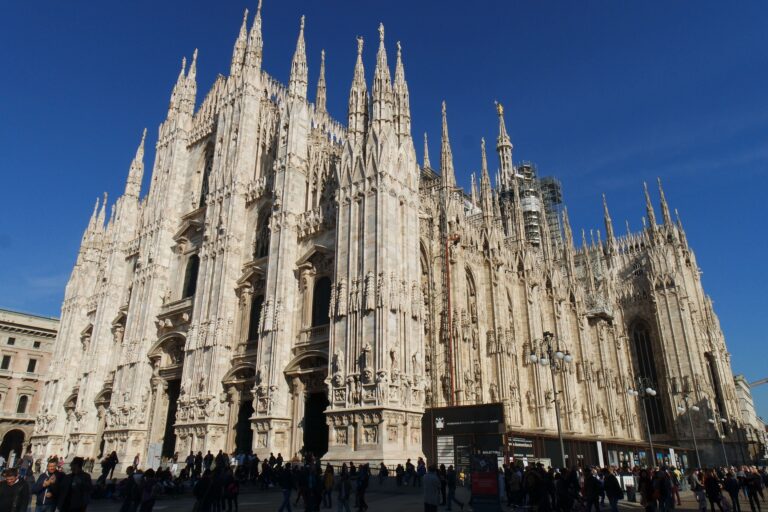
The heart of Christmas in Milan is undoubtedly Piazza del Duomo.
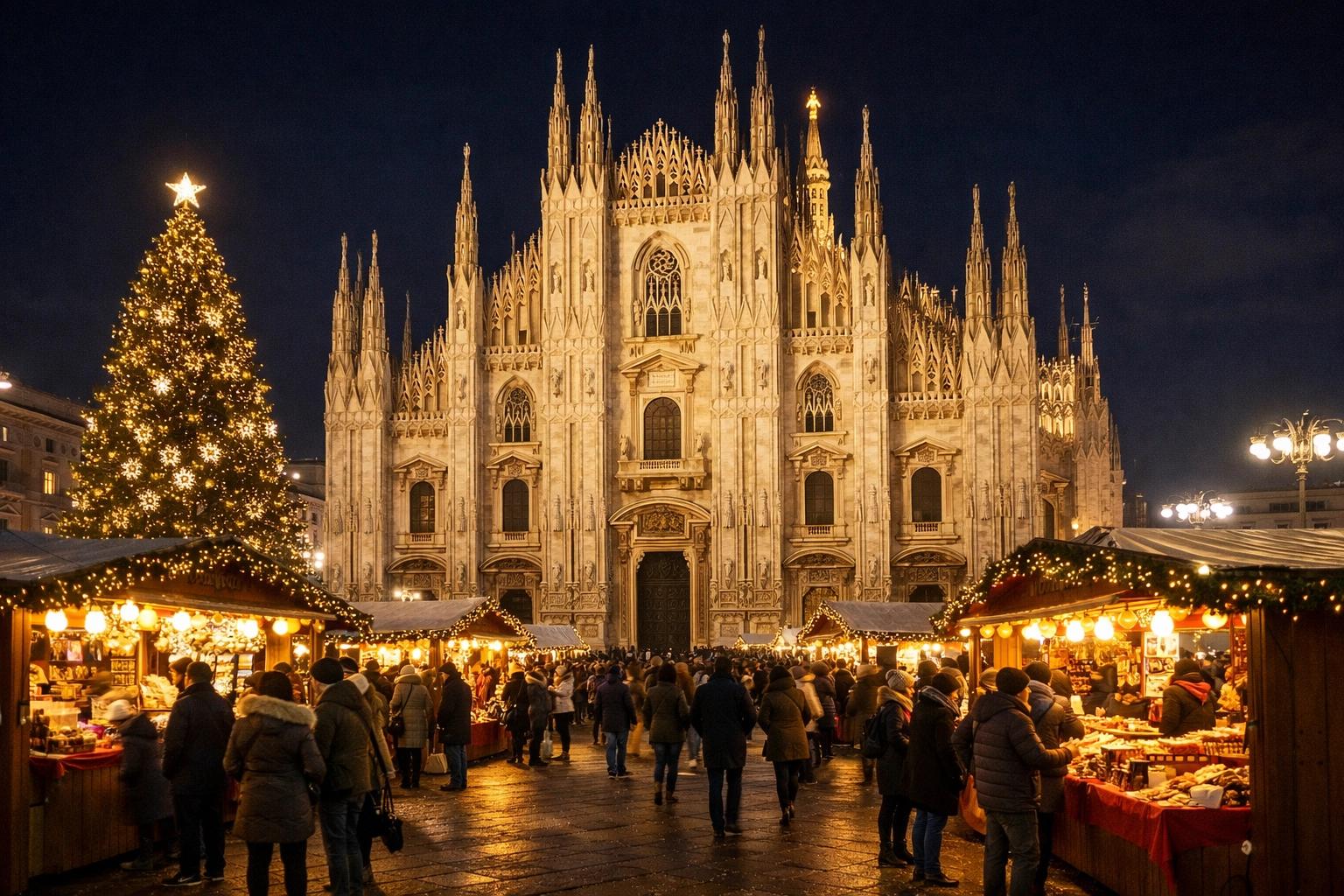
Every festive season, the city’s magnificent Gothic cathedral becomes the backdrop for beautiful decorations, Christmas lights and a traditional holiday market.
Wooden stalls offer seasonal treats, handmade gifts, decorations and Italian specialties, creating a lively atmosphere in the historic center.
Don’t miss the opportunity to admire the cathedral illuminated after sunset. The contrast between the Gothic spires and the festive lights makes this one of Milan’s most photogenic winter locations.
Travel tip: Combine your Christmas market visit with a tour of the cathedral and its remarkable rooftop terraces.
Check our guide: Milan Duomo Guide: Cathedral, Rooftops and Tickets
2. Discover the Oh Bej! Oh Bej! Christmas Market
One of Milan’s most beloved holiday traditions is the historic Oh Bej! Oh Bej! fair, held around Castello Sforzesco during the celebrations of Sant’Ambrogio, Milan’s patron saint, in early December.
Unlike modern Christmas shopping events, this traditional fair has centuries of history and retains a distinctly Milanese character.
Visitors can browse stalls selling handicrafts, antiques, decorations, sweets and regional foods.
Roasted chestnuts and other seasonal treats add to the festive atmosphere.
After exploring the market, take a walk around Sforza Castle and nearby Parco Sempione.
It’s an ideal way to experience Milanese Christmas traditions beyond the main tourist square.
3. Admire the Christmas Lights in Galleria Vittorio Emanuele II
Few places in Milan look more elegant during Christmas than the magnificent Galleria Vittorio Emanuele II.
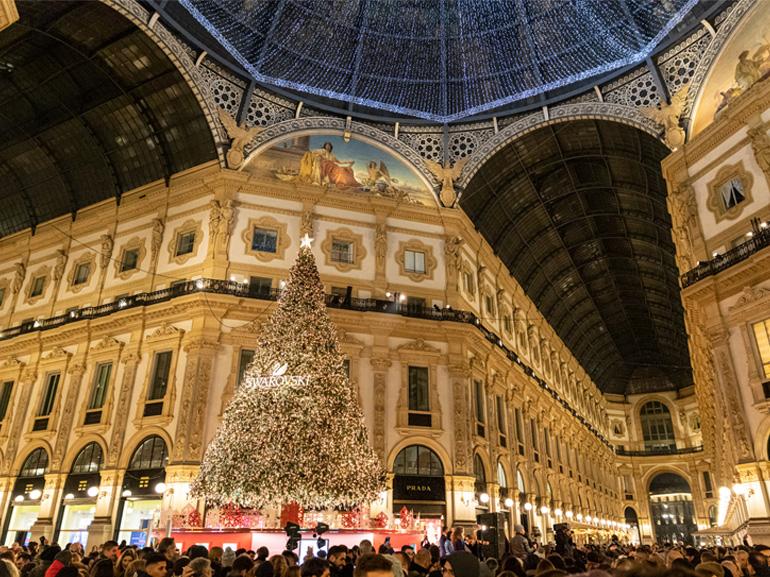
Located beside the Duomo, this nineteenth-century shopping arcade is famous for its spectacular glass dome, mosaic floors and luxury boutiques.
During the festive season, elaborate decorations and illuminated displays transform the Galleria into one of the city’s most beautiful Christmas destinations.
Take your time to admire the architecture, explore the shop windows or enjoy an espresso in one of the historic cafés.
Even without shopping, visiting the Galleria is an essential Milan Christmas experience.
4. Enjoy Ice Skating and Winter Activities
Ice skating has become a popular seasonal attraction in Milan, with temporary rinks appearing in different locations around the city.
In recent winters, festive skating experiences have been organized in areas such as the Indro Montanelli Gardens and Piazza Gae Aulenti.
Some seasonal villages also feature children’s activities, holiday decorations, food stalls and family entertainment.
These attractions are particularly enjoyable for families visiting Milan during December and early January.
Locations and opening dates change each year, so check the current winter events calendar before planning your visit.
5. Discover Milan’s Museums and Artistic Treasures
Winter is an excellent time to explore Milan’s remarkable cultural heritage.
When temperatures drop, the city’s museums, churches and galleries offer some of the most rewarding indoor experiences.
Highlights include:
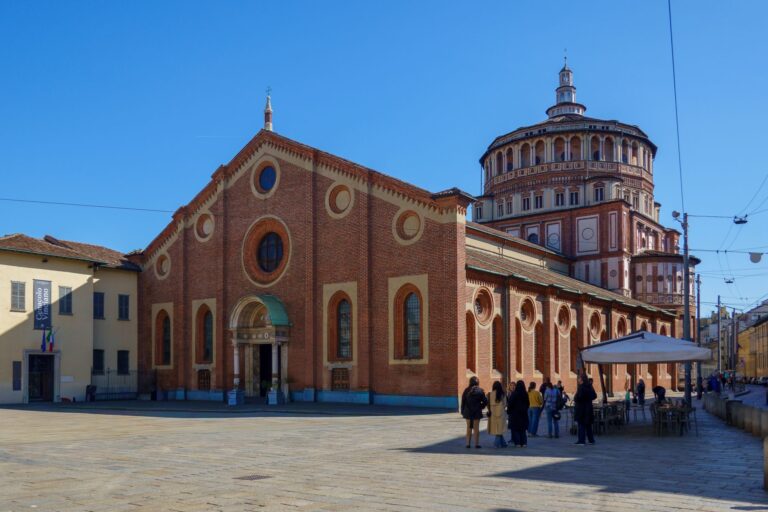
- Leonardo da Vinci’s Last Supper: One of the world’s most celebrated Renaissance masterpieces. Advance reservations are essential.
- Pinacoteca di Brera: An outstanding collection of Italian paintings housed in the atmospheric Brera district.
- Museo del Novecento: Modern and twentieth-century art beside Piazza del Duomo.
- Sforza Castle Museums: Art, sculpture and historical collections inside Milan’s famous Renaissance fortress.
A museum visit can easily be combined with a cozy lunch or afternoon coffee in the surrounding neighborhood.
Explore Milan’s cultural highlights: Discover museum tickets and guided experiences to make the most of your winter city break.
See our guide: How to Visit The Last Supper in Milan
6. Experience an Evening at Teatro alla Scala
For an unforgettable winter evening, consider attending a performance at Milan’s legendary Teatro alla Scala.
One of the world’s most prestigious opera houses, La Scala is closely connected with the city’s cultural identity.
The traditional opening of its opera season takes place on December 7, the feast of Sant’Ambrogio, and is one of Milan’s most important annual cultural occasions.
Even if attending an opera isn’t part of your plans, the theater’s museum offers an opportunity to discover its history and artistic heritage.
Check the official performance calendar and book well ahead for popular productions.
7. Taste Milan’s Traditional Christmas Specialties
Christmas in Milan wouldn’t be complete without tasting panettone, the city’s most famous festive cake.
Originally associated with Milan, this soft, tall Christmas bread is traditionally prepared with raisins and candied fruit.
During the holiday season, bakeries and pastry shops throughout the city display beautifully packaged panettone in countless variations.
Other winter favorites include risotto alla Milanese, hearty traditional dishes and rich hot chocolate.
For a particularly atmospheric experience, stop at a historic pastry shop for coffee and a slice of panettone after exploring the Christmas lights.
8. Explore Milan’s Fashion District and Winter Shopping
Milan is one of the world’s fashion capitals, and winter offers plenty of opportunities to explore its famous shopping streets.
The Quadrilatero della Moda, centered around Via Montenapoleone and Via della Spiga, is especially attractive during the festive season.
For a broader range of shops, explore Corso Vittorio Emanuele II and Corso Buenos Aires.
Visitors traveling in January can also take advantage of Italy’s traditional winter sales, which generally begin in early January according to the regional shopping calendar.
Even without buying anything, Milan’s festive window displays make winter shopping an enjoyable experience.
Practical Tips for Visiting Milan in Winter
Weather: Milan winters are often cold and damp, with daytime temperatures commonly around 5–10°C and colder nights. Bring a warm coat, comfortable shoes and layers.
Best period for Christmas atmosphere: Late November through December, particularly once the city’s principal lights and markets have opened.
Getting around: Milan’s metro and tram network makes it easy to explore the main attractions without a car.
Reservations: Book popular museums, guided tours and opera performances early, especially around Christmas and New Year’s Eve.
Holiday opening hours: Museums, shops and attractions may follow special schedules on December 25, January 1 and other public holidays.
For current seasonal events, consult the official YesMilano Christmas guide.
Is Milan Worth Visiting in Winter?
Absolutely. Milan combines festive Italian traditions with remarkable art, historic architecture, excellent food and world-class shopping.
December is particularly attractive for its Christmas markets and sparkling decorations, while January and February are ideal for travelers more interested in museums, shopping and cultural experiences.
Whether you’re wandering through Piazza del Duomo beneath the Christmas lights, enjoying an evening at La Scala or discovering Leonardo da Vinci’s masterpieces, Milan offers plenty of reasons to visit during the colder months.
Plan your winter escape to Milan: Explore the city’s most memorable attractions, museum visits and guided experiences, and turn your next winter getaway into something special.